
IPhosphor Bronze – Properties, Grades, Applications and Advantages
Phosphor bronze, also commonly written as phosphorus bronze, is one of the most widely used copper-based alloys in engineering and industrial applications. Known for its excellent wear resistance, good strength, high fatigue performance and outstanding corrosion resistance, phosphor bronze is extensively used in bearings, bushings, springs, electrical connectors and precision components.
In this blog, we explain the key properties of phosphor bronze, commonly used grades, major applications and the main advantages that make this alloy a preferred material across mechanical, electrical and marine industries.
What is Phosphor Bronze?
Phosphor bronze is an alloy of copper primarily alloyed with tin and a small amount of phosphorus. Tin improves the strength, hardness and corrosion resistance of the alloy, while phosphorus acts as a deoxidizer during melting and also contributes to improved wear resistance and fatigue performance.
Compared to conventional bronze and brass alloys, phosphor bronze offers a superior combination of mechanical properties and long-term reliability, particularly in applications involving sliding contact, repeated loading and vibration.
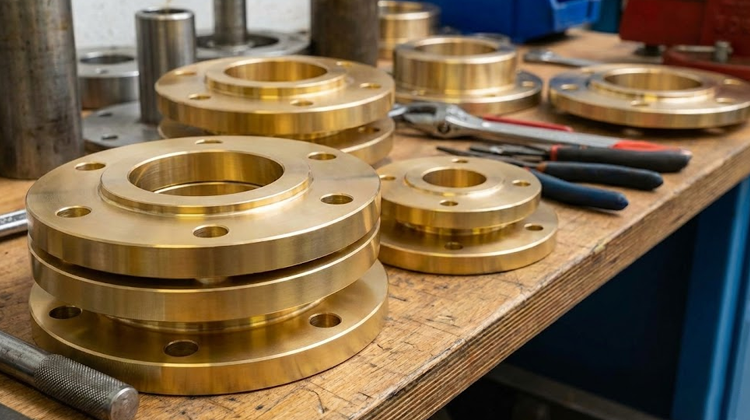
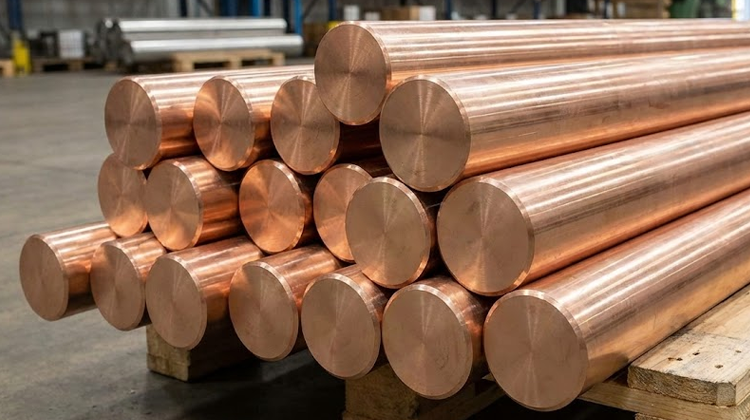
Phosphor bronze is commonly supplied in the form of rods, bars, sheets, plates, strips, wires and machined components.
Chemical Composition of Phosphor Bronze
The exact composition of phosphor bronze varies depending on the grade. However, a typical phosphor bronze alloy contains:
- Copper (Cu): Balance
- Tin (Sn): Approximately 3.5% to 10%
- Phosphorus (P): Typically up to 0.35%
Some grades may also contain small amounts of lead to improve machinability, especially in free-cutting phosphor bronze alloys.
The combination of tin and phosphorus is responsible for the excellent strength, wear resistance and corrosion performance of these alloys.
Key Properties of Phosphor Bronze
Phosphor bronze exhibits a unique set of physical and mechanical properties that make it suitable for demanding engineering applications.
Excellent Wear Resistance
One of the most important properties of phosphor bronze is its outstanding resistance to wear and abrasion. This makes it highly suitable for components such as bushings, bearings, thrust washers and sliding elements where metal-to-metal contact is common.
High Strength and Fatigue Resistance
Phosphor bronze offers higher strength compared to many standard copper alloys. It also demonstrates excellent fatigue resistance, which allows it to perform reliably under repeated loading and cyclic stresses. This is particularly important for springs, electrical contacts and flexible connectors.
Good Corrosion Resistance
Phosphor bronze provides good resistance to corrosion in atmospheric conditions, freshwater, mildly acidic environments and many industrial chemicals. It also performs well in marine and coastal environments, especially where exposure conditions are moderate.
Good Elastic Properties
The alloy exhibits good elastic behaviour and spring properties. Because of this, phosphor bronze is widely used in spring components, clips and precision electrical connectors.
Excellent Formability and Fabrication
Phosphor bronze can be easily cold worked, formed and machined. It can be rolled into thin strips and wires and can be fabricated into complex shapes with high dimensional accuracy.
Common Grades of Phosphor Bronze
Several international standards define different phosphor bronze grades. The most widely used grades under the Unified Numbering System (UNS) include:
UNS C51000 – Phosphor Bronze 5%
This grade contains approximately 5% tin and is known for its good strength, excellent formability and good corrosion resistance. It is commonly used in springs, connectors and precision components.
UNS C52100 – Phosphor Bronze 8%
C52100 is a high-tin phosphor bronze containing about 8% tin. It offers higher strength and better wear resistance compared to C51000. It is widely used for bushings, bearings, gears and industrial components.
UNS C53400 – Phosphor Bronze B-1
C53400 is a free-machining phosphor bronze containing lead. It is designed for applications where good machinability is required along with reasonable strength and wear resistance. Typical uses include valve components, fittings and machined parts.
UNS C54400 – Phosphor Bronze B-2
C54400 is another free-cutting phosphor bronze grade with higher lead content than C53400. It offers improved machinability and is commonly used for complex machined components, bushings and threaded parts.
Manufacturing Forms of Phosphor Bronze
Phosphor bronze is commercially available in a wide range of product forms to meet different application needs, including:
- Rods and bars
- Sheets and plates
- Strips and foils
- Wires
- Tubes
- Forged components
- Machined parts
Depending on the product form, phosphor bronze can be supplied in annealed, cold-worked or heat-treated conditions to achieve the desired mechanical properties.
Applications of Phosphor Bronze
Phosphor bronze is used across many industries due to its balanced combination of strength, wear resistance and corrosion performance.
Bearings and Bushings
One of the largest application areas for phosphor bronze is in bearings and bushings. Its excellent wear resistance and low friction characteristics make it suitable for sliding applications in machinery, pumps, compressors and automotive systems.
Springs and Electrical Connectors
Phosphor bronze is widely used for electrical connectors, contact springs, switch components and terminals. Its good electrical conductivity combined with high fatigue resistance and elastic properties makes it ideal for these applications.
Gears and Worm Wheels
Because of its good load-carrying capacity and resistance to surface wear, phosphor bronze is used in gears, worm wheels and drive components, particularly where quiet operation and long service life are required.
Marine and Coastal Equipment
Phosphor bronze performs well in marine and coastal environments. It is commonly used in ship components, pump parts, propeller bushings and marine fasteners where resistance to corrosion and wear is essential.
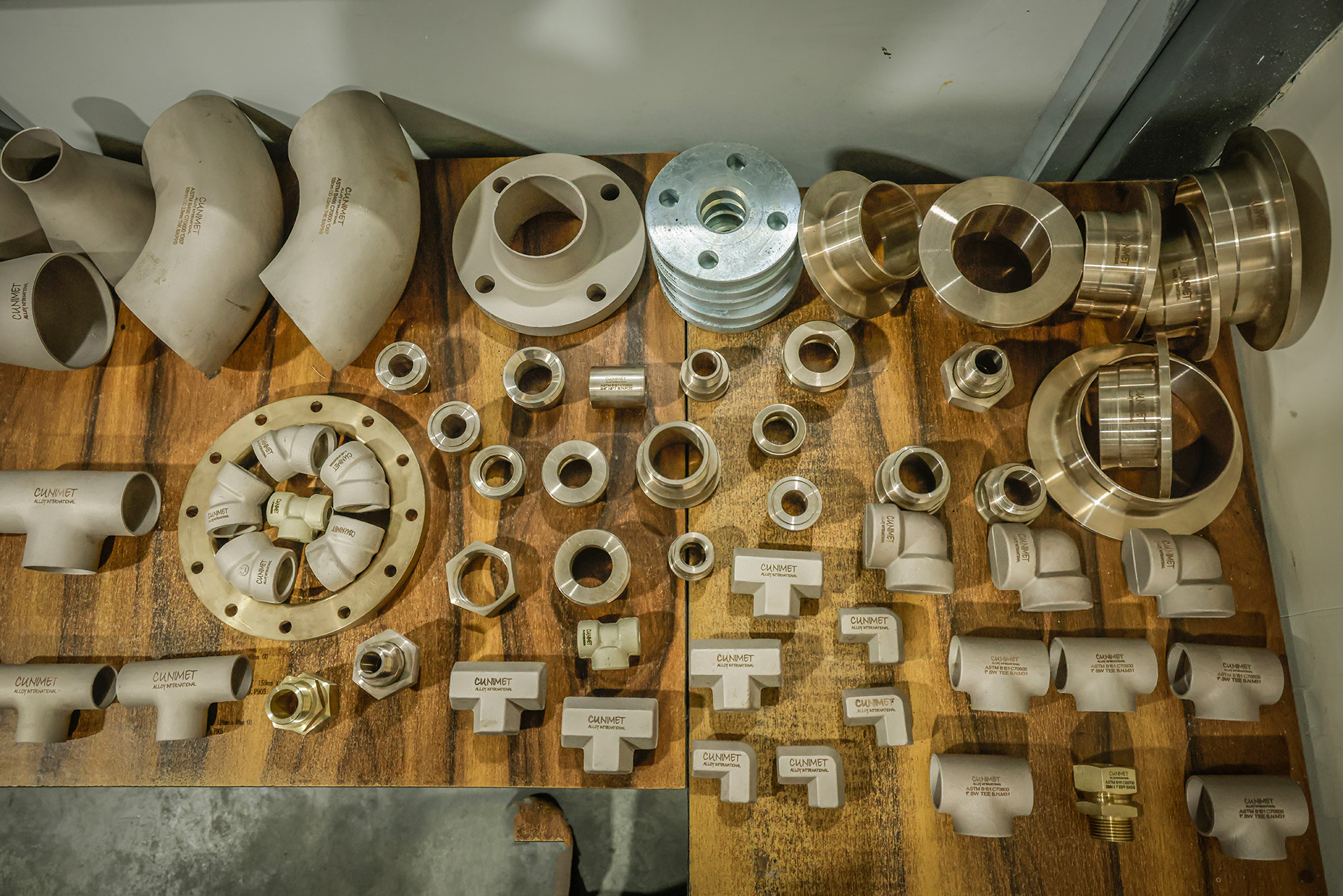
Industrial Valves and Fittings
Phosphor bronze grades such as C53400 and C54400 are used in valve bodies, seats, stems and fittings. Their good machinability and adequate strength make them suitable for precision machined components.
Instrumentation and Precision Components
Due to its dimensional stability and excellent machinability, phosphor bronze is often used in precision instruments, measuring equipment and control systems.
Advantages of Phosphor Bronze
Phosphor bronze offers several advantages over other copper alloys and engineering materials.
Longer Service Life
Its excellent resistance to wear and fatigue allows components to operate for longer periods with reduced maintenance and replacement requirements.
Reliable Performance Under Repeated Loads
Phosphor bronze maintains its mechanical properties even under continuous cyclic loading, making it ideal for springs and moving parts.
Good Balance Between Strength and Conductivity
While not as conductive as pure copper, phosphor bronze still offers adequate electrical conductivity combined with much higher mechanical strength.
Versatility Across Industries
The wide range of grades and product forms allows phosphor bronze to be used in mechanical, electrical, marine and industrial sectors.
Ease of Fabrication
Phosphor bronze can be easily formed, machined and joined, making it suitable for both mass production and custom-engineered components.
Phosphor Bronze Compared to Other Copper Alloys
When compared to brass, phosphor bronze offers higher strength, better fatigue resistance and superior wear performance. Brass is generally easier to machine and more economical, but it does not provide the same durability in high-load and sliding applications.
Compared to aluminium bronze, phosphor bronze has lower strength and corrosion resistance in aggressive seawater environments, but it offers better formability and is more suitable for springs, connectors and precision components.
Phosphor bronze is a highly versatile copper alloy that delivers excellent wear resistance, good strength, outstanding fatigue performance and reliable corrosion resistance. With widely used grades such as UNS C51000, C52100, C53400 and C54400, phosphor bronze serves a broad range of industries including electrical, marine, automotive, instrumentation and general engineering.
Whether used for bushings and bearings, springs and connectors, gears, marine components or precision machined parts, phosphor bronze continues to be a preferred material due to its durability, ease of fabrication and consistent performance in demanding service conditions.
Related Posts
Why Nickel Aluminium Bronze Forged Fittings Are Ideal for Marine, Oil & Gas and Seawater Systems
How well this mistaken ideas off denouncing pleasure & praisings will give you complete.